



Life comes down to leaving a trace, to being creators and directors of our own lives, not mere executors of societal expectations
Katalin Ladik is an artist whose diverse oeuvre, spanning from the 1960s to today, encompasses poetry, acting, performance, and body art. Her work consistently probes the boundaries of language and the body, with her artistic path evolving from marginalized to institutionally recognized practice: from being considered part of the “wrong avant-garde” in art academies, to exhibiting in galleries such as Tate and MoMa.
In this exclusive interview with the Bioskop Balkan portal, on the occasion of her participation in the Festival Patterns and Stitches (November 7-9), Katalin reflects on the long transformation of her creative work, its ongoing relevance, and the sustained interest of audiences, especially younger generations. She discusses her personal stance on feminist poetics, the role of art as social critique, and the inescapable gendered boundaries in contemporary performance. She candidly addresses the changes in artistic spaces in the digital age, her personal relationship with the audience, and the symbolism of the globally recognized Lennon Ono award she holds as a mark of artistic integrity and resistance.
Your creative opus, from the 1960s to today, unites poetry, acting, performance, and body art, continually exploring the limits of language and the body. From your position today as an artist whose work has journeyed from a marginalized to an institutionally recognized practice, how do you view the transformation in the interpretation of your work and the way the art system positions it now?
Recognition for me is the moment when the audience comes and reads me. If there is interest in my work, whether poetry or performance, I have felt that reciprocal energy from the very beginning. That reaction and acceptance have lasted for decades. I believe I remain relevant because interest does not wane across generations. We age together, but I am surprised by the attention of youth today. It is difficult for me to define what connects us, but I strive for authenticity in my creativity. When I was young, I dealt with personal struggles; later, I thematized the problems of the generation I belonged to, and now I view the world from new angles. Why this interests the young remains a mystery.
Is it possible that society matures to tackle questions that do not belong to our generation?
That is possible, but perhaps we have always been able to ask these questions. Older generations of my time lived through the Second World War; we had different problems. New history brings new wars, and even today we feel continuous dynamics of change. I hoped that young people would not experience the same struggles, but today they face different challenges, social, identity-related, feminist, and women still fight for their place in the family and for their right to identity. These topics are spoken about much more openly today.
Your performances, often provocative and challenging, examine social norms through personal experience. How do you see today the potential of art as a space of social critique—not necessarily through explicit messages, but through pushing the limits of language, perception, and the body? Where does criticism reside today?
Earlier, I articulated my critique within galleries and institutions. Today, performances take to the streets, which marks a major change and expansion of their impact. The revolution that was once confined to closed spaces now lives openly. Times change, problems recur. The position of women artists has somewhat improved, especially regarding writing, but recognition and awards are still insufficiently available to women. In Serbia, the situation is better than in Hungary, where women remain marginalized in leadership positions.
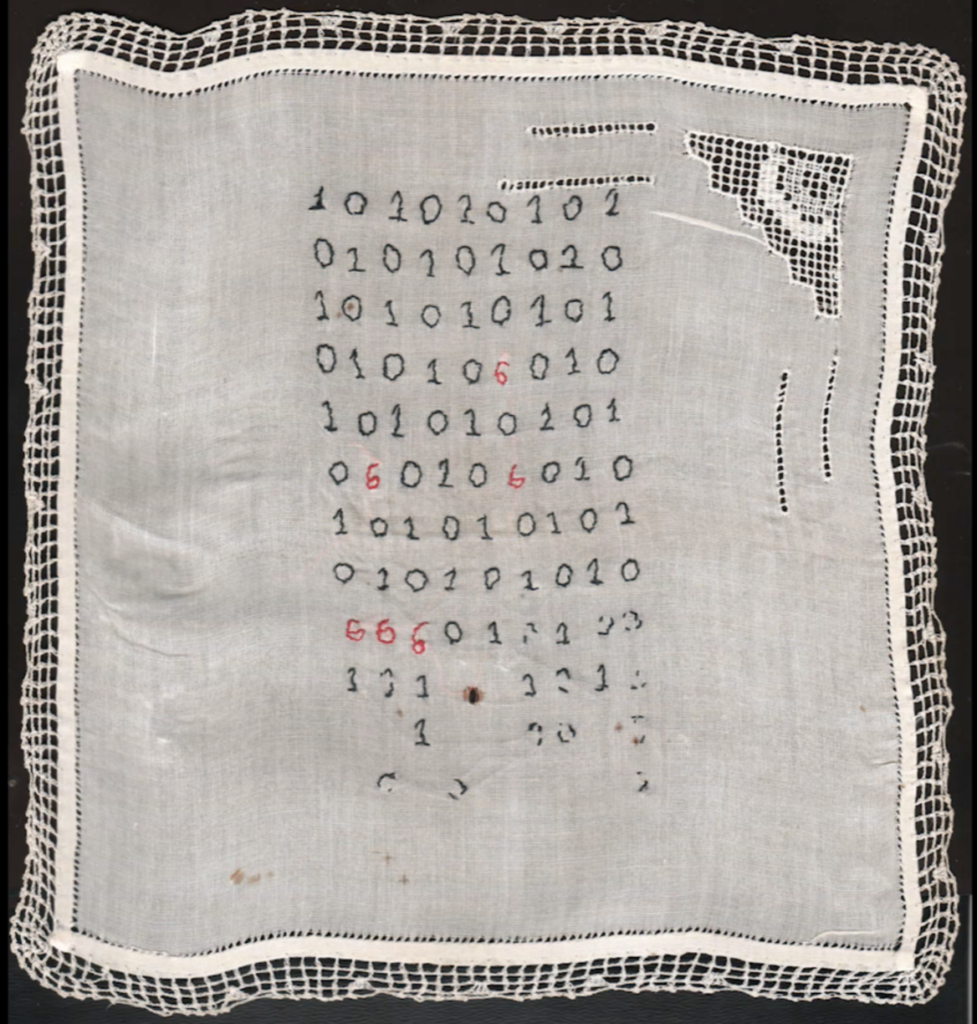
Are today’s performances, although massive and public, limited by new social mechanisms that are not merely spatial?
Limitations exist, primarily through gender. If a woman performs, perception differs compared to when a man performs. There are no formal barriers, but prejudices persist; audiences and media tend to reduce women’s performances to the “problems of the vagina”, which disqualifies the experience.
Your work has been marked from the beginning by feminist poetics and experimentation with voice and body, outside institutional frameworks. How do you see today the relationship of contemporary art to feminism? To what extent does your work remain relevant as an artistic gesture and as a rebellious social commentary?
Although I never belonged to the feminist movement, feminists considered me a symbol of their struggle. I tried through personal experience, family, or workplace to establish myself as an artist and a woman. That was my personal war, fighting humiliation, punishment, stigma. I was marked; I carried a stigma because of what and who I was in society in that time Yugoslavia. I was also punished politically for doing that as a poetess. As an actress, I was accepted, understanding that the profession of an actress was seen as, so to speak, a “pariah woman”, not serious. But a poetess must be dignified! Such moral codes dominated the Balkans and Hungary. Today, women are allowed more, but prejudices remain. In the West, women in art are more equal and more interesting in their performances, regardless of appearance or age.
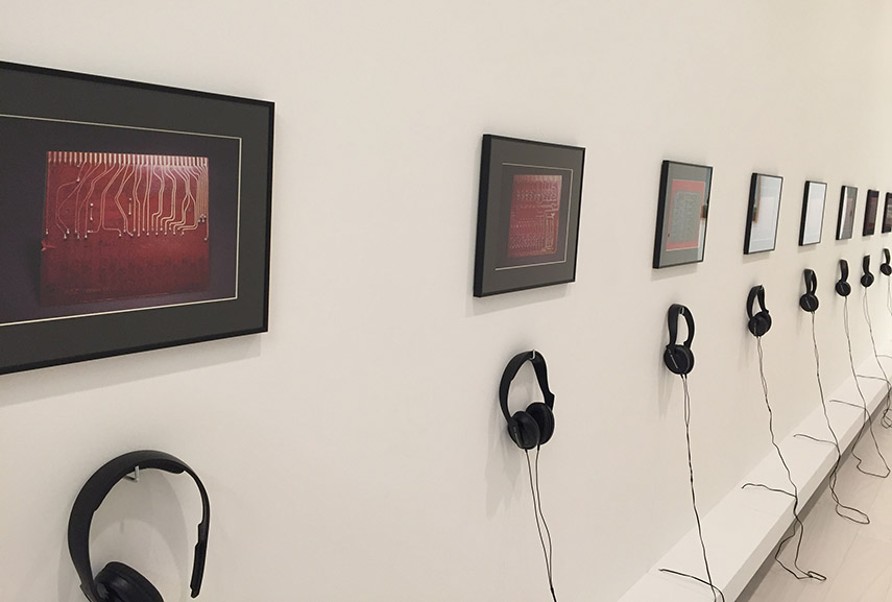
Can we today recognize the patriarchal mechanisms that hold women, feminist-conscious or not, in the same power dynamics? Esthetic norms dictate women must look natural and healthy, but that takes effort, time, and money…
In our region, women try to meet societal expectations, makeup, plastic surgeries, clothes, they often become objects of consumption and commodities. Some do this to satisfy men, but there are also those who impose these norms on themselves, for themselves.
Corporeality in performance, as a space of political and emotional articulation, is central in your work. How do you see the change in that relationship as art space moves into digital and virtual realms, where the body is not physically present but mediatized, fragmented, or simulated?
It is a new phenomenon. I sometimes use artificial intelligence and follow the development of digital practices with interest, but I do not know in which direction art will go. It is important we accept this as a natural process and integrate with the changes.
Your relationship with the audience often functions as an active element of the process, not just passive reception. How important is audience feedback to you as a performer, and when do you think that relationship shifts from genuine artistic exchange to consumer or entertainment expectation?
I perceive the audience as a partner with clear expectations, they first want something new from me, and I feel the responsibility to provide it. The first impulse must come from me, then I carefully listen to their reactions. If I intrigue them, I surrender honestly, allowing vulnerability, which makes them honest in receiving the experience. It is a unique, authentic process: the inspiration flows both ways. I especially cherish when the audience leaves still pondering the essence of my performances, as the experience ripens over time, like a gift that unfolds later. Then I feel I have achieved true exchange.
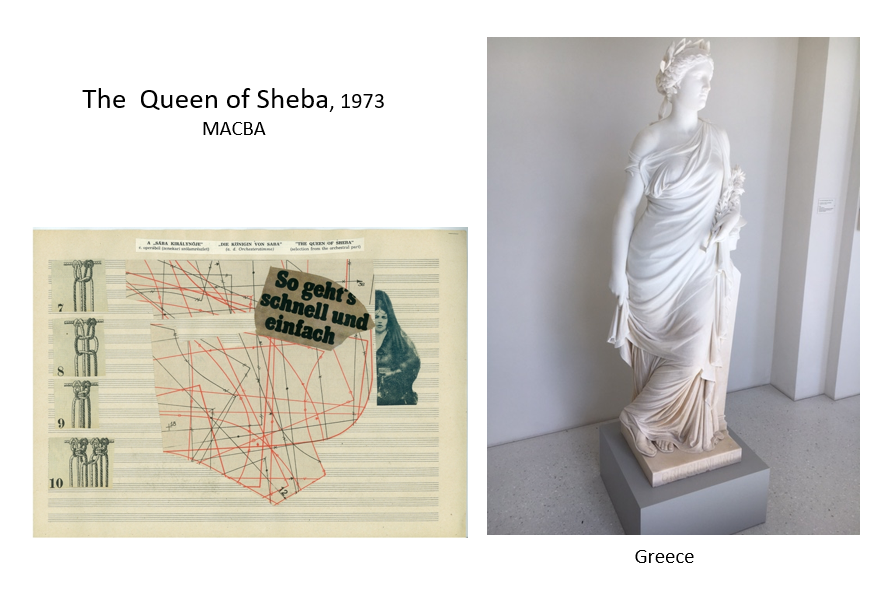
The Bioskop Balkan space, with its layered historical and symbolic meanings, undergoes media transformations. How does the presence of this ambience affect your performing impulse, and how much does the space itself, through architecture and acoustics, contribute to forming artistic expression?
Space plays a key role. When I enter a new setting, I immediately strive to breathe it in, to merge with it, to pulse together. Only then does the space become inspiring, and all potential disturbances transform into uniqueness as if they were part of a designed scenography. The space becomes part of my artistic body, a membrane to which I connect.
You played the lead role in the film “Angel’s Bite” by Lordan Zafranović. How do you perceive that film today from a temporal distance?
At the time of its making, the film was significant foremost for corporeality and erotic freedom. My body was always an instrument, a means of artistic expression; the camera used it like a pen. Zafranović described it as drawing with the camera. The film is an expression of longing, not only of the woman but also of the director and the man; we all share this impulse for self-realization. Life comes down to leaving a trace, to being creators and directors of our own lives, not mere executors of societal expectations. This challenge transcends generations, and even today, despite emancipation, women do not fully live free of norms.
Your work is marked by courage, not only in artistic expression but also in confronting intimate, social, and political traumas. You are the recipient of the Lennon Ono award, symbolizing resistance and integrity. In an interview, you said that a criminal, after serving a sentence, is granted the right to release from guilt, but you, as an artist, were never given that right. What did that recognition mean to you, personal satisfaction or symbolic redress of social injustice?
It is important to say that courage alone is not enough; a woman also needs economic stability. I fought to be economically independent, to have a job, and not depend on a man. That is a difficult path, especially for a single mother, as it demands endurance and courage. The modern woman carries a double burden, the obligations of patriarchy and the desire for independence. Courage requires financial independence but also the strength to withstand all challenges.
Interviewer: Aleksandra Malušev