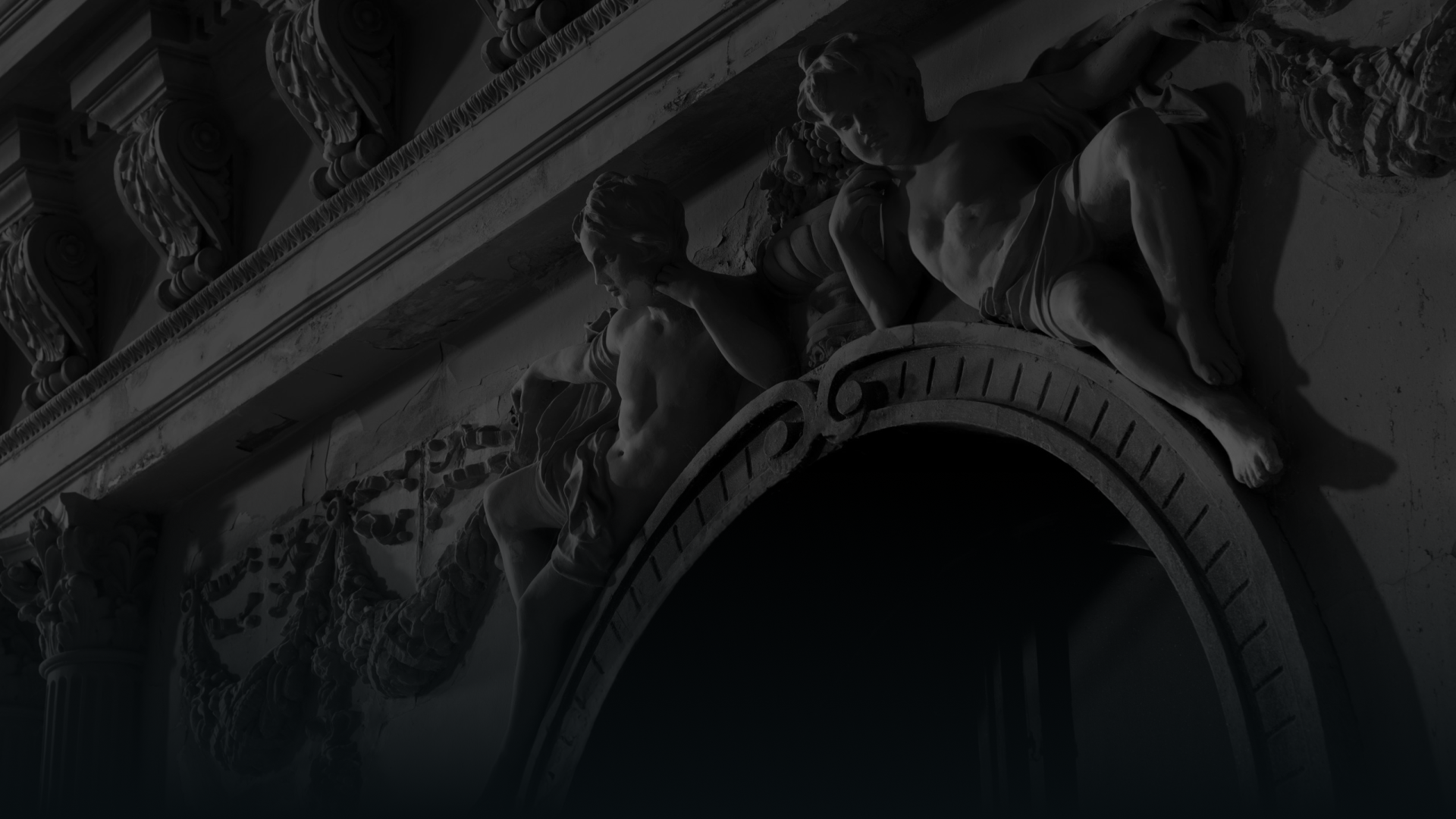



Bioskop Balkan is located in the heart of Belgrade, at Braće Jugovića Street 16. As a building where important events for the history and culture of Belgrade and Serbia took place, the Balkan Cinema building is a testimony of the cultural, urban and architectural development of Belgrade during the second half of the 19th century. Although the designer of the building is not known, the fact is that the building was built on the foundations of an old building, which according to assumptions was a Turkish inn.
It begins its history as the Bulevar inn, which was started to be built by Đorđe Pashona, a producer of alcoholic beverages (1867-1875). However, when he ran out of money, he sought a loan from Vangelo Toma, a well-known tobacconist. Pashona failed to repay the loan, so in 1900 he sold the entire property to Vanđel Toma.
History of Bioskop Balkan building
The representative, academically designed building consists of three separate units between today’s Makedonska, Braća Jugovića and Despota Stefana streets, to which a part of the building was later added, on the ground floor of which there was a large hall for dances and weddings. After that, the inn becomes a representative high-category Bulevar hotel. At the end of the 19th century, Austrian and Czech music bands were guests in that hall, decorated with sumptuous chandeliers, large mirrors and lanterns. Daily press regularly wrote about Bulevar. Correspondent of the English newspaper “Daily Express” H. Vivien, shows the hotel as a Belgrade musical hall (1896).
In 1899, the first film screening was held in that hall, as well as a film about the wedding of the royal couple, Aleksandar Obrenović and Draga Mašin.
Brana Cvetković (1875-1942), a prominent Serbian actor and writer, founded the first children’s theater in Serbia in 1895, and four years later the first comedy theater “Orpheum”, which represented the pioneering vaudeville comedy-satirical company in Serbia. The first performances of the “Orpheum” were held in the “Bulevar” hotel, where humorous one-act plays, parodies and musical-scenic pieces were performed.
From 1909 to 1911, the Belgrade Opera under the direction of Žarko Savić worked in the building of today’s Balkan cinema, which is why the entire hotel became known as the Opera. Among the plays, “The Sold Bride” (Bedžih Smetana), “Knez Ivo od Semberija” (Isidor Bajić) and the operetta “Barun Trenk” (Srećko Albini) stood out.
A permanent Opera cinema was opened in this place, where cowboy and adventure films were shown.
Several historical events are connected to the Balkan cinema. Namely, one of the five conspiratorial groups started from the tavern, when the May coup was carried out. The plaque on this building shows that in the same year the Balkan cinema was also important for the Workers’ Union (“In this building, the founding congresses of the Serbian Social Democratic Party and the main Workers’ Union were held on August 2, 1903. Congresses were also held there in 1904 , 1907, 1908, 1909, 1910.“).
In 1912, a permanent cinema began operating in the hotel under the name “Grand Cinema of the Gomon Family at the Opera Hotel”.
Famous writers Jakov Ignjatović and Antun Gustav Matoš were guests of this magnificent event.
After the First World War, the sound film “Chronomegaphone Gromon” was shown for the first time.
It received its current name Balkan in 1928, and in 1984 the building received the status of a cultural monument. It is protected as a cultural asset, when its purpose is also protected.
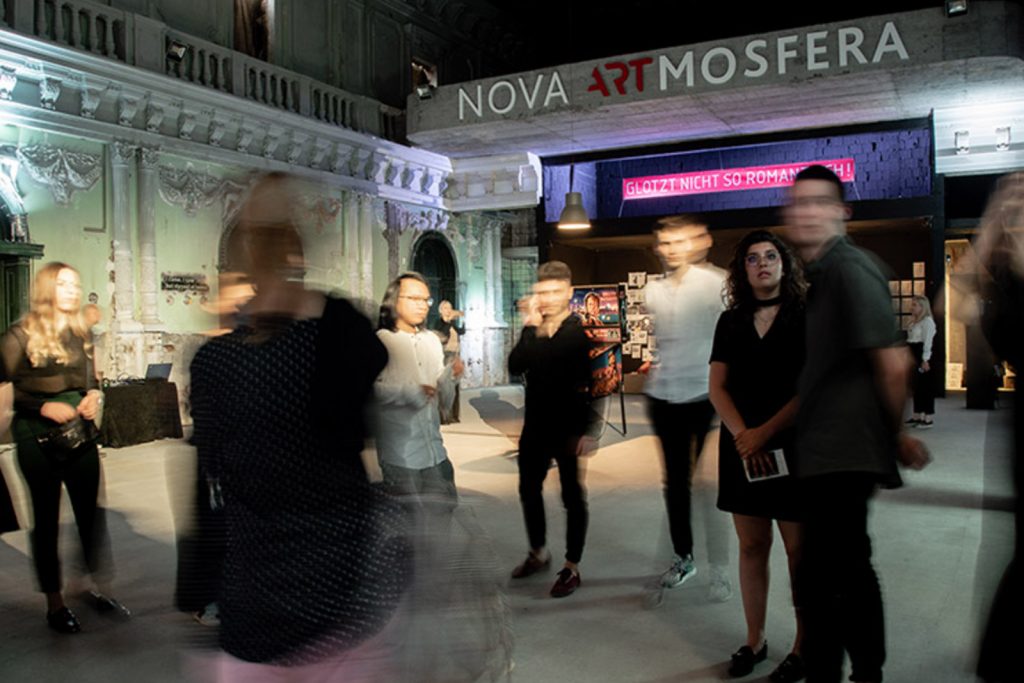
Saša Marčeta initiated the reconstruction project of the Balkan cinema in 2017, where special emphasis was placed on revitalizing the functionality of the building and adapting its purpose to contemporary cultural and social needs. It is planned that the cinema hall will become a multifunctional space, which, in addition to film screenings, will enable the organization of various cultural and artistic events. This multi-purpose center is designed as a platform for film screenings, music concerts, festivals, exhibitions, theater performances, conferences, round tables and other events, creating a dynamic space for the interaction of different art forms and audiences.